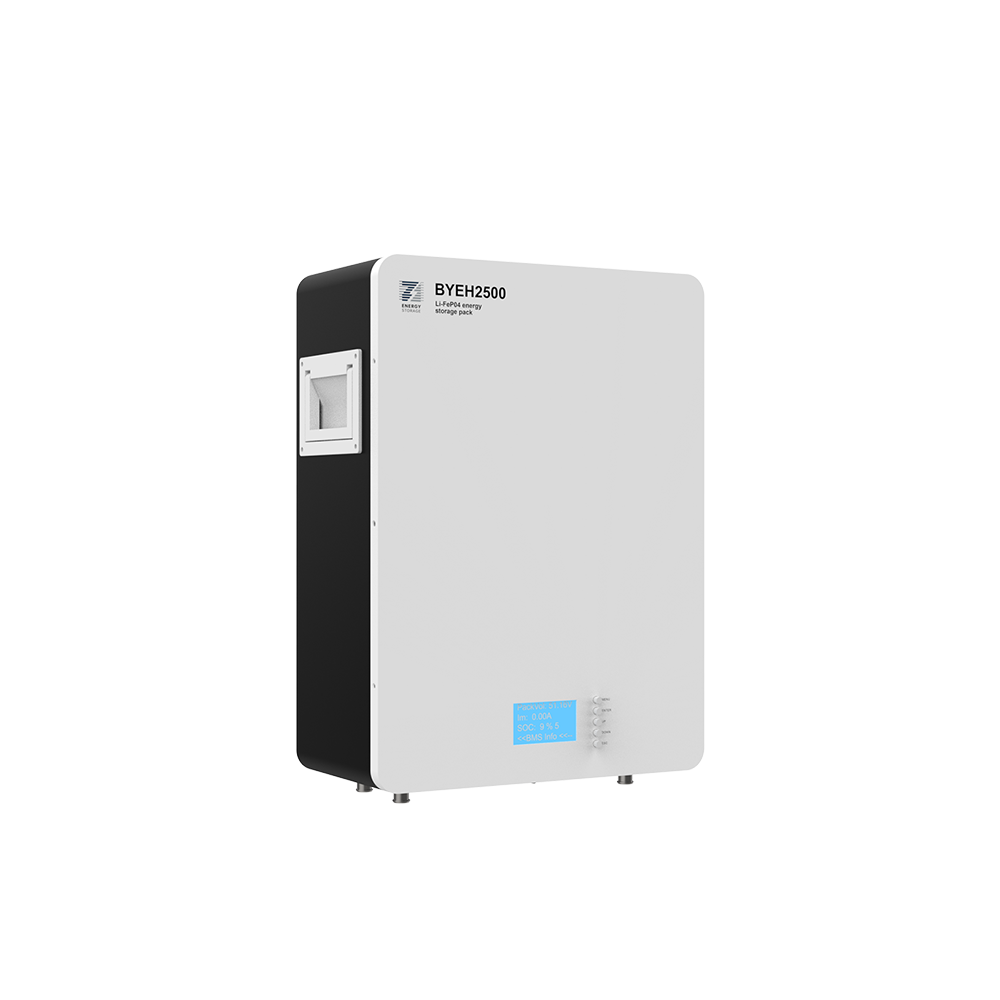
 the proposed systems fit residential projects where clean installation and space saving matter. A wall-mounted format can work well in garages, utility rooms, and compact homes, but the installation surface and service access must be checked. The battery is not just a product; it becomes part of the home environment.
Project context
The first step is to define the job the storage system must perform. Some projects are driven by cost control, others by backup needs, and others by solar self-consumption or grid limitations. A buyer should write down the operating goal, the expected load behavior, and the site constraints before comparing suppliers. This prevents the discussion from turning into a simple capacity comparison.
What to examine
Buyers should review wall strength, clearance, cable routing, temperature, usable capacity, inverter compatibility, and installer experience. Safety and access should be addressed before purchase. Buyers should ask suppliers to show the assumptions behind the recommendation: usable capacity, power rating, cooling method, enclosure format, control logic, installation conditions, and support scope. A strong proposal does not need to be complicated, but it should be specific enough for engineering, purchasing, and finance teams to review the same facts.
Buyer questions
The risk is treating wall mounting as purely aesthetic. The buyer should ask: Can the wall support the battery? Is there enough clearance? Will cables be protected? Can the installer service it later? If these answers are missing, the quotation may still be useful as a price reference, but it is not yet strong enough for final selection. A better supplier conversation will connect the technical choice with installation, operation, and service expectations.
For residential solar and backup projects, wall-mounted LFP battery pack from PVB can be reviewed as part of a broader home energy storage strategy.
Practical takeaway
Wall-mounted storage should combine space efficiency with safe installation. The strongest storage projects are usually the ones where assumptions are visible early. That makes it easier to compare offers, avoid late redesigns, and choose a system that can be installed and operated with fewer surprises.
the proposed systems fit residential projects where clean installation and space saving matter. A wall-mounted format can work well in garages, utility rooms, and compact homes, but the installation surface and service access must be checked. The battery is not just a product; it becomes part of the home environment.
Project context
The first step is to define the job the storage system must perform. Some projects are driven by cost control, others by backup needs, and others by solar self-consumption or grid limitations. A buyer should write down the operating goal, the expected load behavior, and the site constraints before comparing suppliers. This prevents the discussion from turning into a simple capacity comparison.
What to examine
Buyers should review wall strength, clearance, cable routing, temperature, usable capacity, inverter compatibility, and installer experience. Safety and access should be addressed before purchase. Buyers should ask suppliers to show the assumptions behind the recommendation: usable capacity, power rating, cooling method, enclosure format, control logic, installation conditions, and support scope. A strong proposal does not need to be complicated, but it should be specific enough for engineering, purchasing, and finance teams to review the same facts.
Buyer questions
The risk is treating wall mounting as purely aesthetic. The buyer should ask: Can the wall support the battery? Is there enough clearance? Will cables be protected? Can the installer service it later? If these answers are missing, the quotation may still be useful as a price reference, but it is not yet strong enough for final selection. A better supplier conversation will connect the technical choice with installation, operation, and service expectations.
For residential solar and backup projects, wall-mounted LFP battery pack from PVB can be reviewed as part of a broader home energy storage strategy.
Practical takeaway
Wall-mounted storage should combine space efficiency with safe installation. The strongest storage projects are usually the ones where assumptions are visible early. That makes it easier to compare offers, avoid late redesigns, and choose a system that can be installed and operated with fewer surprises.
Where Wall-Mounted LFP Battery Packs Fit Residential Projects
the proposed systems fit residential projects where clean installation and space saving matter. A wall-mounted format can work well in garages, utility rooms, and compact homes, but the installation surface and service access must be checked. The battery is not just a product; it becomes part of the home environment.
Project context
The first step is to define the job the storage system must perform. Some projects are driven by cost control, others by backup needs, and others by solar self-consumption or grid limitations. A buyer should write down the operating goal, the expected load behavior, and the site constraints before comparing suppliers. This prevents the discussion from turning into a simple capacity comparison.
What to examine
Buyers should review wall strength, clearance, cable routing, temperature, usable capacity, inverter compatibility, and installer experience. Safety and access should be addressed before purchase. Buyers should ask suppliers to show the assumptions behind the recommendation: usable capacity, power rating, cooling method, enclosure format, control logic, installation conditions, and support scope. A strong proposal does not need to be complicated, but it should be specific enough for engineering, purchasing, and finance teams to review the same facts.
Buyer questions
The risk is treating wall mounting as purely aesthetic. The buyer should ask: Can the wall support the battery? Is there enough clearance? Will cables be protected? Can the installer service it later? If these answers are missing, the quotation may still be useful as a price reference, but it is not yet strong enough for final selection. A better supplier conversation will connect the technical choice with installation, operation, and service expectations.
For residential solar and backup projects, wall-mounted LFP battery pack from PVB can be reviewed as part of a broader home energy storage strategy.
Practical takeaway
Wall-mounted storage should combine space efficiency with safe installation. The strongest storage projects are usually the ones where assumptions are visible early. That makes it easier to compare offers, avoid late redesigns, and choose a system that can be installed and operated with fewer surprises.